How can architecture “speak” to a sense of place and historical memory?
- Ellie Burson
- Jun 30, 2019
- 2 min read
Updated: Jul 8, 2022
The phrase "sense of place" describes, in architecture, the relationship between people and the environment. Places said to have a strong "sense of place" have a strong identity. Inhabitants and visitors deeply feel this identity. Sense of place is a social phenomenon.
A sense of place can also describe how people feel in a space. Historically, buildings were designed for the anticipated use of the space. Because of this, architecture communicates. Different governments or institutions convey A message through architecture. Knowing this, we can capture a glimpse of what life was like at a particular moment in history. Classical and Imperial Roman Architecture display an empire of wealth and power. Architecture from that era display a sense of prosperity and authority. The occupant can infer the empire was important, influential, and prosperous. From these buildings, we can also tell how the people of that era lived. Noting the ruins, location, and proximity of markets, arenas, government buildings, and churches, we know what they valued.
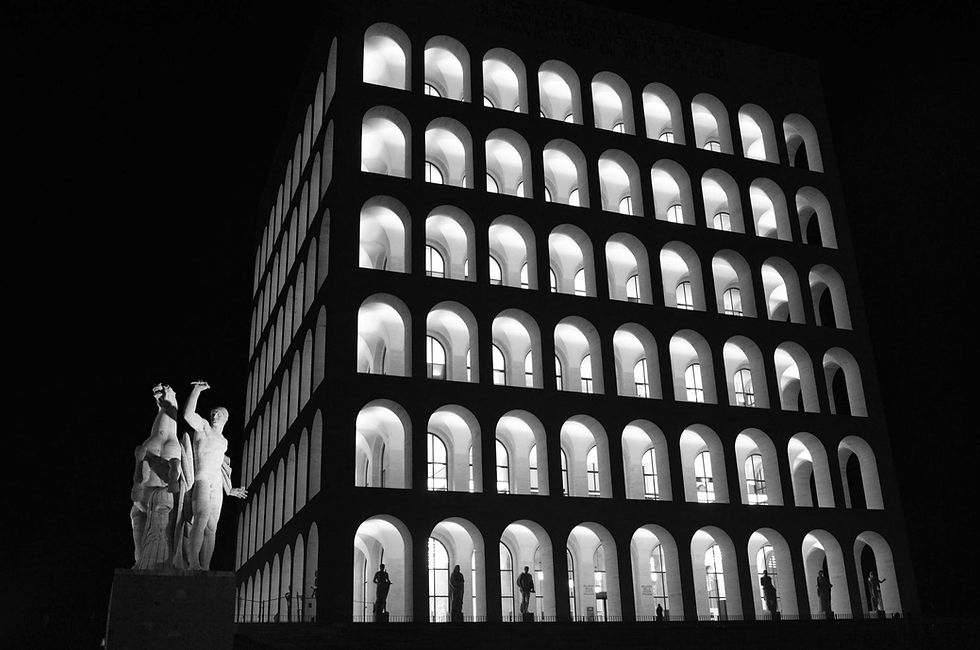
Another example of architecture capturing history through its thought-provoking design would be Fascist architecture. The Fascist regime, led by Benito Mussolini, ruled in Italy between 1922 and 1943. This regime developed an architectural style that was characterized by its minimalist adaptation of ancient Roman architecture. The fascist state utilized the new architecture style to unify the citizens of their nations, mark a new era of nationalist culture, and exhibit the nation's absolute rule. In many ways, this architecture style can also be described by the negative sense of place it gets off. That negative sense would be a sense of fear. Fear of an authoritarian government. Fear of their control and fear of their strength.
The term sense of place has been used in many different ways. It is a characteristic that locations have because of history. It is a feeling or perception held by people. It is often used concerning those characteristics that make a place special or unique. Through the sense of place and history combined, we can interpret intent through architecture. This intent speaks to the history of the place and the people who inhabited it. Sense of place is the lens people experience and make meaning of their experiences in and with the place.


Comments